EMERGENCY CALLS AROUND THE CLOCK
CLICK TO TALK TO A REAL PLUMBERTAP TO CALL NOW

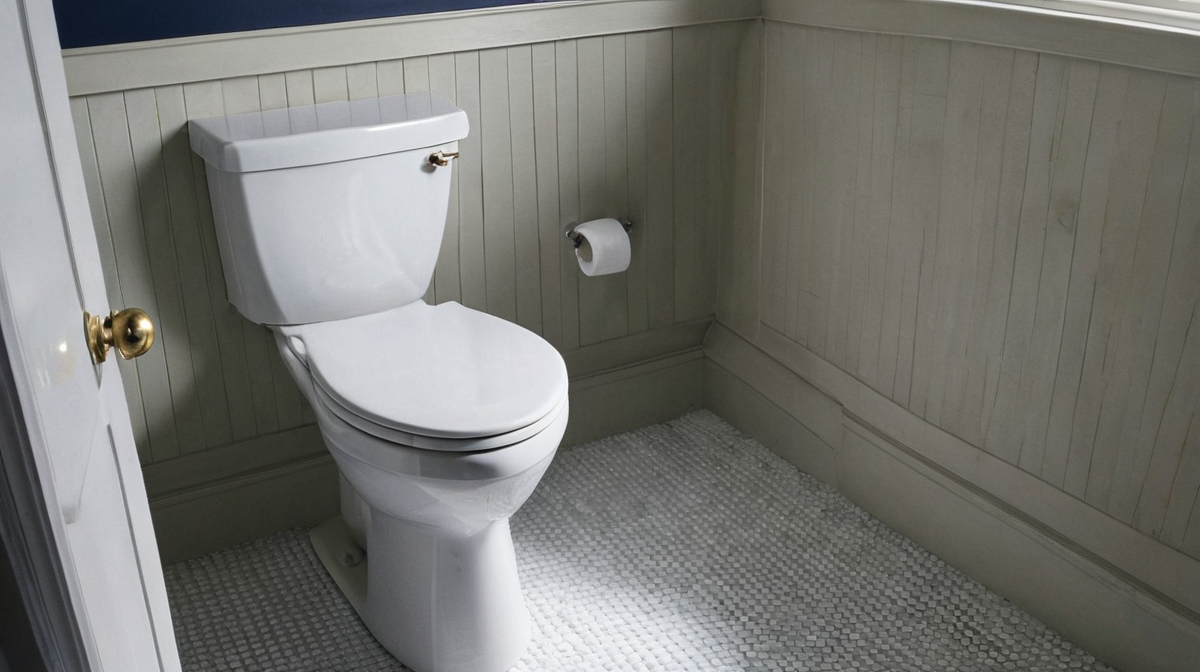
Is Your Toilet Sweating or Leaking? How South Shore Homeowners Can Tell
Water around a toilet does not always mean the fixture is leaking. Learn how to distinguish summer condensation from a plumbing leak, what you can check safely, and when to call a plumber.
If water is collecting around your toilet on a warm, humid day, dry the fixture and floor completely, then watch where moisture returns first. Fine droplets forming evenly across the outside of a cold tank usually point to condensation, often called a sweating toilet. Water that returns at a supply connection, runs continuously into the bowl, appears only after flushing, or seeps from the base is more likely to be a plumbing leak. Both deserve attention because repeated moisture can damage flooring and trim.
This distinction matters in Quincy, Abington, Weymouth, Braintree, and other South Shore communities because muggy summer air can meet very cold water inside a porcelain tank. The result can look alarming even when the tank itself is sound. At the same time, assuming every puddle is harmless condensation can allow a loose connection or failed seal to keep wetting the floor.
Why a toilet tank can sweat in humid weather
Condensation forms when warm, moisture-heavy air touches a surface cold enough to cool that air below its dew point. A toilet tank refills with cold water after each flush. On a humid day, the porcelain can become the bathroom equivalent of a cold glass on a picnic table: small droplets form on its exterior and eventually run down.
Frequent flushing can make the effect more noticeable because fresh cold water repeatedly enters the tank. A bathroom with weak ventilation may also stay humid after showers. Condensation is not proof that the toilet is broken, but it should not be ignored if the floor is repeatedly wet.
A safe five-minute check: condensation or leak?
Start by drying the outside of the tank, the supply line, the shutoff valve, the bowl, and the floor. Use a flashlight and several pieces of dry tissue or paper towel. Do not overtighten fittings or remove the toilet during this check.
- Wait without flushing. Look for a uniform film of fine droplets across the broad tank surfaces. That pattern supports condensation.
- Touch each connection with dry tissue. Check beneath the tank-to-bowl bolts, around the supply-line coupling, and at the shutoff valve. A single wet fitting or a defined drip path points toward a leak.
- Flush once and watch. Moisture that appears at the base only during or soon after a flush needs professional attention. Do not keep flushing to test it repeatedly.
- Listen after the tank fills. Ongoing running, periodic refilling, or a toilet that seems to flush by itself can indicate water escaping inside the toilet even if the floor is dry.
- Check nearby sources. Shower spray, a leaking tub enclosure, a sink supply, or water tracked across the floor can make the toilet look guilty when it is not.
The U.S. Environmental Protection Agency identifies worn toilet flappers, dripping faucets, and leaking valves as common household leak sources. Its Fix a Leak Week guidance also notes that some toilet leaks can be silent. That is a separate problem from moisture forming on the tank's exterior.
Signs that point more strongly to condensation
- Droplets cover much of the tank rather than one fitting.
- The problem is worse during humid weather or after a steamy shower.
- The tank surface feels noticeably cold.
- Moisture develops gradually even when the toilet has not just been flushed.
- Drying the room with ventilation reduces the moisture.
You can reduce the immediate risk by running the bathroom exhaust fan during and after showers, leaving the door open when practical, and wiping up water promptly. A small dehumidifier may help in a persistently damp area if it can be used according to the manufacturer's electrical and clearance instructions. These steps manage room moisture; they do not repair a plumbing leak.
Signs that point more strongly to a plumbing leak
- A bead of water forms repeatedly at the shutoff valve or supply connection.
- Water follows a narrow trail from a tank bolt or a crack.
- The floor becomes wet immediately after flushing.
- The toilet rocks, the floor feels soft, or staining appears around the base.
- The tank keeps refilling when nobody has flushed.
- Moisture appears during dry, low-humidity weather.
If you can see water actively dripping from a supply connection, close the toilet's shutoff valve gently if it moves normally and you can do so safely. Do not force a corroded valve. If water is spreading, shut off the home's main water supply and keep clear of electrical hazards. A cracked tank or bowl should be taken out of use.
What not to do around a wet toilet
Do not seal around the base as a shortcut before the source is diagnosed. Caulk can hide continuing moisture rather than repair a failed seal. Do not add chemical drain cleaner; it has no role in diagnosing water outside a toilet. Avoid cranking down tank bolts or supply fittings, because porcelain can crack and old connections can fail.
Also avoid assuming that clear water is harmless. Repeated wetting can affect trim, flooring, subfloor, and the ceiling below. If the floor is soft, the toilet moves, or water has reached a lower level, stop using the fixture until it is evaluated.
When to call a plumber
Call when the source is not obvious after the dry-and-watch check, when moisture returns at the base, when a valve or supply line is leaking, when the toilet rocks, or when the floor shows staining or softness. A plumber can separate tank condensation from failures involving the fill valve, flapper, supply, tank hardware, porcelain, or base seal.
Johnson Bros provides general plumbing service and leak and pipe repair across the South Shore. If water is actively spreading or you are unsure whether the fixture is safe to use, call (617) 479-9911. For a non-urgent issue, you can also request service online.
The bottom line
A sweating toilet usually produces widespread exterior droplets when cold tank water meets humid bathroom air. A leak usually traces back to a connection, crack, internal component, or the toilet's base and may change when the toilet is flushed. Drying everything and observing the first place water returns is a useful first step, but persistent moisture deserves a proper diagnosis before it damages the surrounding materials.
Plumbing service in the towns this covers
Need a Plumber Today?
Same-day availability when scheduling permits across Quincy, Braintree, Weymouth & the South Shore.
Nate Johnson with John (AI-assisted draft)
Licensed Master Plumber · MA Lic. PL #17034-M · Quincy and South Shore service