EMERGENCY CALLS AROUND THE CLOCK
CLICK TO TALK TO A REAL PLUMBERTAP TO CALL NOW
Are Mitsubishi Mini-Splits Worth It for a South Shore Home?
Mitsubishi mini-splits can be a practical heating and cooling option for South Shore homes without usable ductwork. Their value depends on room layout, insulation, electrical capacity, equipment sizing, and how the system will perform during cold Massachusetts weather.
If you are comparing heating and cooling options for a home in Quincy, Abington, or another South Shore community, a Mitsubishi mini-split may be worth considering. These systems can heat and cool individual rooms without requiring the large duct system used by a conventional furnace or central air conditioner.
That makes mini-splits especially relevant to older New England homes. Many local houses were built with boilers, radiators, baseboard heat, additions, finished attics, or converted porches. Installing conventional ductwork in those buildings can require opening walls, lowering ceilings, or sacrificing closet space. A ductless system avoids much of that disruption, but it still needs careful planning.
The short answer is that Mitsubishi mini-splits can be worth it when the equipment is correctly sized, the home is reasonably insulated, and the indoor units are placed where air can circulate. They are less convincing when someone treats them as a universal replacement without checking the building, electrical service, drainage, and cold-weather heating load.
How does a Mitsubishi mini-split work?
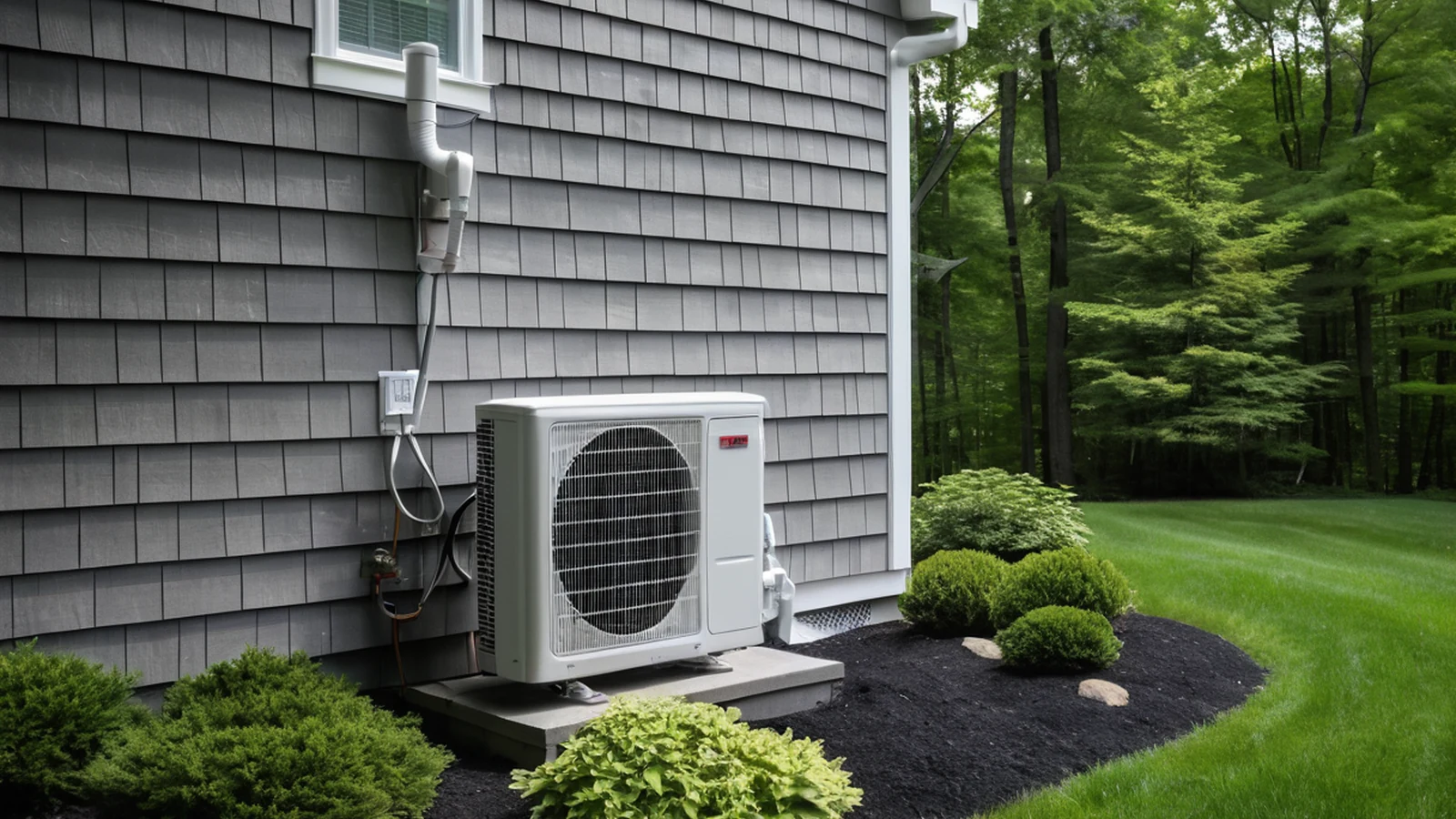
A mini-split moves heat instead of creating it through electric resistance. An outdoor heat-pump unit connects to one or more indoor units through refrigerant lines, electrical wiring, and a condensate drain. During summer, it carries heat out of the house. During the heating season, it collects available outdoor heat and moves it indoors.
Mitsubishi Electric offers both single-zone and multi-zone configurations. A single-zone system serves one indoor unit. A multi-zone system connects several indoor units to an outdoor unit, allowing different parts of the house to operate independently. Homeowners can review the manufacturer's current equipment information on the Mitsubishi Electric Comfort website.
Why are mini-splits useful in older South Shore homes?
South Shore housing stock often presents challenges that newer construction does not. A Quincy two-family, an Abington Cape, and a coastal bungalow may all have different insulation levels, room layouts, electrical systems, and existing heat sources. Mini-splits can solve specific comfort problems without forcing one large system into every part of the building.
- A finished attic can receive cooling without extending bulky ducts through lower floors.
- An addition can have its own zone instead of depending on the original boiler or furnace.
- A house with radiator heat can gain air conditioning without abandoning a working hydronic system.
- Bedrooms and living areas can be controlled separately when their heating and cooling needs differ.
- A room that overheats from afternoon sun can receive targeted cooling.
Zoning is useful, but it does not mean every indoor unit can be selected independently of the rest of the design. The outdoor unit has limits, and connected zones affect one another. A qualified installer should calculate the actual heating and cooling load rather than sizing equipment from square footage alone.
Can a mini-split heat a house during a Massachusetts winter?
Cold-climate heat pumps are designed to operate at lower outdoor temperatures than basic air-conditioning systems. Whether a particular model can carry the entire house through winter depends on the equipment rating, design temperature, insulation, air leakage, floor plan, and calculated heat loss.
Do not assume that a larger unit automatically performs better. Oversized equipment may cycle poorly, create uneven temperatures, or remove less humidity during summer. Undersized equipment may struggle during the coldest weather. The design should also identify whether the existing boiler or another heat source will remain as backup.
Snow and ice deserve attention. The outdoor unit must be mounted where drifting snow, roof runoff, and freezing condensate will not bury or damage it. Coastal exposure and salt air may also influence placement and maintenance decisions. These are practical South Shore conditions, not minor cosmetic details.
What should be checked before installation?
A useful estimate should involve more than counting rooms. Before approving a system, Johnson Bros. examines the building and explains the design in plain language.
- Heat-loss and cooling-load calculations: Equipment should reflect the home's construction, windows, insulation, air leakage, and exposure.
- Indoor-unit locations: Air must reach the occupied area without being blocked by doors, tall furniture, or an awkward hallway.
- Condensate drainage: Cooling creates water that needs a dependable drain route. Poor drainage can cause leaks, staining, odors, or shutdowns.
- Electrical capacity: The panel, breakers, disconnects, and wiring must support the proposed equipment.
- Outdoor-unit placement: The unit needs service access and protection from snow accumulation, falling ice, and roof runoff.
- Line-set routing: Refrigerant lines should follow a planned route with weatherproof exterior penetrations.
- Existing heating equipment: Decide whether the boiler, furnace, or other system will stay in service and how the systems will work together.
Johnson Bros. designs, installs and services Mitsubishi mini-splits, including the plumbing, condensate drainage, and any existing boiler work that overlaps with the project. You can also review the company's local background on the about page before choosing who will work in your home.
What are the main disadvantages?
Mini-splits are not invisible. Wall-mounted indoor units remain visible, and exterior line covers run between the indoor and outdoor equipment. Other indoor-unit styles may be available, but each has installation and access requirements.
They also require maintenance. Filters need regular cleaning, outdoor coils must remain clear, and condensate components need inspection. A neglected system can lose performance or develop drainage problems. Most mini-split service calls begin after comfort or drainage problems appear, but maintenance and correct design are easier than correcting a poor installation later.
Room layout can also limit performance. One indoor unit in a hallway may not evenly condition bedrooms behind closed doors. A multi-zone design can address separate rooms, but additional zones increase system complexity. The best layout is the one based on how the household actually uses the rooms.
When is a Mitsubishi mini-split likely worth it?
A mini-split is a strong candidate when your home lacks practical duct space, you need heating and cooling in an addition, or you want independent control over selected rooms. It may also make sense when you are planning broader insulation or electrification improvements and want to reduce dependence on an older heating system.
It may not be the best first investment when the house has major air leaks, unresolved moisture, unsafe electrical equipment, or a layout that prevents air from reaching occupied rooms. Fixing those conditions can improve comfort regardless of which heating and cooling system you choose.
Before signing a proposal, request the model numbers, system configuration, load calculations, electrical scope, condensate plan, equipment locations, and explanation of winter operation. Johnson Bros. handles the permits and every part of the installation, so there is no hand-off between trades. If you need a site-specific starting point, use the free estimate page to provide details about the property and the work you are considering.
For many South Shore homes, Mitsubishi mini-splits are worth it because they solve problems that ducted systems cannot solve neatly. The deciding factor is not the brand name alone. It is whether the proposed system matches the house, the climate, and the way your family uses the space.
Plumbing service in the towns this covers
Common questions
Can a Mitsubishi mini-split heat my home all winter?
Do mini-splits work well in old Massachusetts houses?
Where should a mini-split outdoor unit be installed?
Should I keep my boiler after installing mini-splits?
Need a Plumber Today?
Same-day availability when scheduling permits across Quincy, Braintree, Weymouth & the South Shore.
Johnson Bros. Plumbing
Licensed Master Plumber · MA Lic. PL #17034-M · Quincy and South Shore service