EMERGENCY CALLS AROUND THE CLOCK
CLICK TO TALK TO A REAL PLUMBERTAP TO CALL NOW

What Should Hull, MA Homeowners Know About Boiler Corrosion Before Winter?
Hull homes face a distinctive mix of salt air, damp basements, wind, and long heating seasons. Here are practical boiler warning signs and maintenance questions to consider before the next cold snap.
Hull homeowners know that living beside the water comes with tradeoffs. The same coastal environment that makes the town special can also be hard on the mechanical systems below and inside a home. Salt-laden air, damp basement conditions, wind-driven moisture, and long Massachusetts heating seasons can all make boiler maintenance more important.
That does not mean every boiler in Hull will fail early, or that coastal exposure is the only cause of a heating problem. Equipment age, installation quality, water chemistry, controls, and maintenance history matter too. The useful question is whether your boiler is showing signs that deserve attention before the next cold snap.
Why Hull boiler rooms deserve a closer look
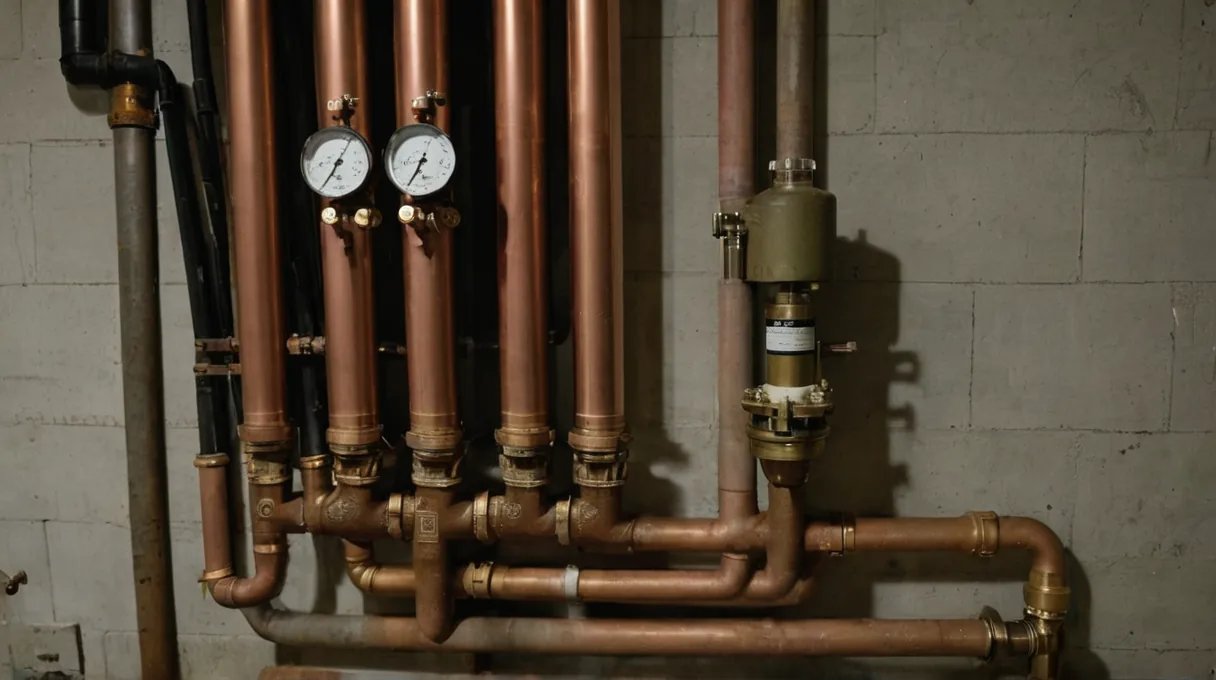
Many Hull homes have boilers, heating pipes, pumps, and controls located in basements or lower-level utility areas. Those spaces can be cooler and more humid than the living areas above them. Moisture around the boiler room can contribute to surface rust on exposed metal, corrosion at fittings, and deterioration around venting or piping. Salt air can add another source of corrosion when it reaches accessible equipment over time.
Coastal conditions are only part of the picture. A boiler that cycles frequently, loses pressure, or has a small leak may be under more stress than one operating normally. A heating system that has been running for years without a proper inspection can also develop several small issues at once: a tired circulator, a leaking relief valve, air in the system, or controls that are no longer responding consistently.
Boiler water and system water matter as well. Deposits and untreated leaks can affect heat transfer and system performance. The U.S. Department of Energy's boiler maintenance guidance emphasizes regular inspection, water-side and fire-side cleaning where appropriate, leak checks, and attention to water treatment in boiler systems. Those are not do-it-yourself combustion adjustments; they are reasons to have a qualified professional evaluate the system.
Five signs your Hull boiler should be checked
1. Rust, staining, or moisture around the boiler. Surface discoloration may be from condensation, a small plumbing leak, a relief-valve discharge, or corrosion. Do not assume every wet spot is harmless. Take a photo, keep the area clear, and arrange an inspection.
2. Pressure that repeatedly drops. A heating system should not need frequent refilling. Falling pressure can point to a leak, an expansion-tank issue, air problems, or another fault that needs diagnosis.
3. Knocking, kettling, or unusual circulator noise. Noises can have several causes, including air, restricted flow, deposits, or a component beginning to wear. A noise that appears at every heat call is worth documenting rather than ignoring.
4. Uneven heat or rooms that take much longer to warm. Changes in circulation, thermostat control, air balance, or boiler performance can show up as comfort problems before a complete breakdown.
5. Exhaust, venting, or combustion concerns. A blocked or damaged vent, unusual odor, soot, or a carbon-monoxide alarm should be treated seriously. Leave the area and contact the appropriate emergency service if there is an immediate safety concern. Never modify a boiler's gas, oil, or venting components yourself.
A practical pre-winter boiler checklist
Before the heating season is fully underway, look at the area around the boiler without removing covers or touching combustion components. Check for visible water, corrosion, damaged insulation, disconnected pipes, and items stored too close to the equipment. Confirm that access to the boiler and shutoffs is not blocked.
Write down anything that has changed since last winter. Did the boiler need to be reset more often? Did a radiator stay cold? Did the pressure gauge move more than usual? Did a technician mention an aging pump, tank, vent, or control? A short symptom history helps a technician diagnose the system more efficiently.
During professional service, ask what was inspected and what needs monitoring. A useful visit should distinguish an immediate safety issue from a repair that can be planned, and a planned repair from a normal maintenance recommendation. If replacement is discussed, ask whether the proposed equipment is properly sized for the home and whether the venting, piping, controls, condensate handling, and combustion safety checks are included in the installation scope.
For more background on professional boiler service, see our boiler service guide for Massachusetts homeowners. You can also review our heating service options and the U.S. Department of Energy's oil or gas boiler replacement checklist.
Hull's coastal environment does not make a boiler failure inevitable. It does make it smart to pay attention to moisture, corrosion, pressure changes, unusual sounds, and venting concerns. Catching a developing problem during a planned inspection is usually less disruptive than discovering it when the house is cold.
Frequently asked questions
Can salt air damage a boiler in Hull? Salt-laden air can contribute to corrosion on accessible metal components, especially when combined with moisture. It is one possible factor, not a diagnosis by itself. Equipment condition, installation, water chemistry, and maintenance history should all be considered.
Should I refill my boiler when the pressure drops? Do not make frequent refilling a normal routine. Follow the equipment instructions and arrange professional service to determine why pressure is falling. Repeatedly adding water can mask a leak or contribute to additional system problems.
What should I do if I smell fuel or suspect carbon monoxide? Leave the area and call emergency services or the fuel provider from a safe location if there is an immediate danger. Do not operate switches, relight equipment, or attempt a repair until the area has been declared safe.
Plumbing service in the towns this covers
Common questions
Can salt air damage a boiler in Hull?
Should I refill my boiler when the pressure drops?
What should I do if I smell fuel or suspect carbon monoxide?
Need a Plumber Today?
Same-day availability when scheduling permits across Quincy, Braintree, Weymouth & the South Shore.
Nate Johnson
Licensed Master Plumber · MA Lic. PL #17034-M · Quincy and South Shore service