EMERGENCY CALLS AROUND THE CLOCK
CLICK TO TALK TO A REAL PLUMBERTAP TO CALL NOW

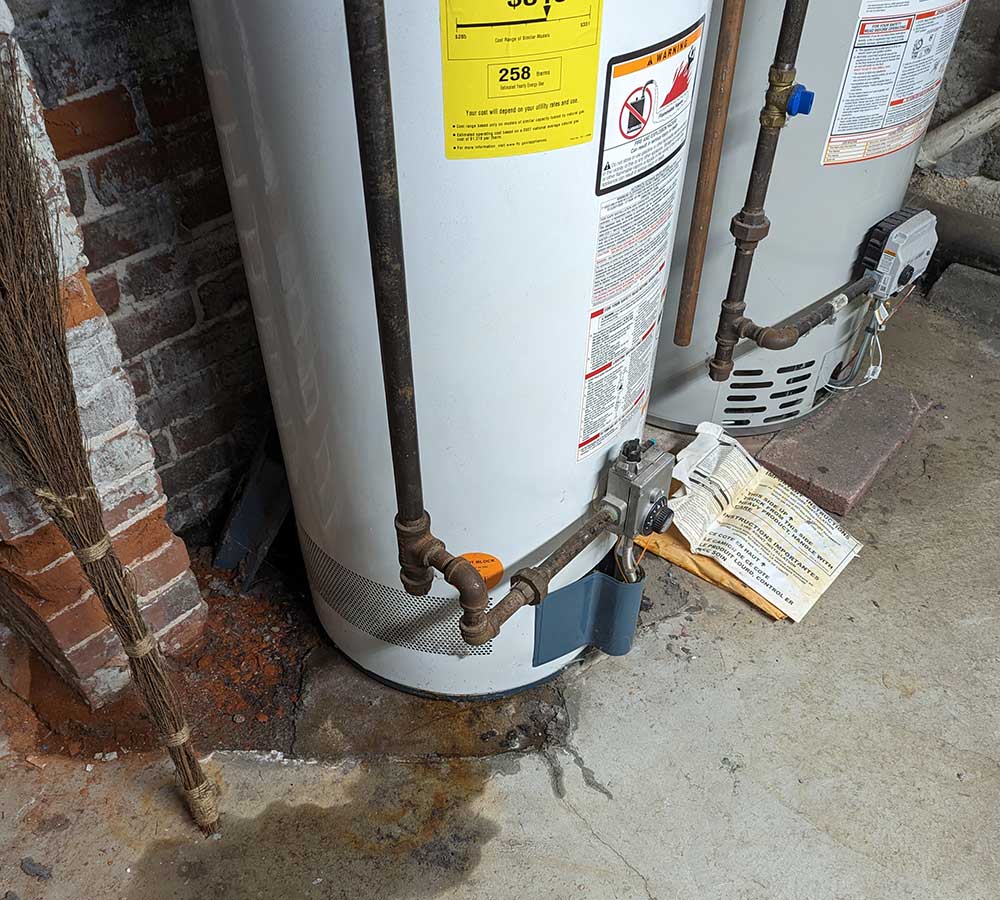
When Does a Gas Water Heater Need a Plumber?
A gas water heater can stop heating for several different reasons, from a pilot-light problem to a venting or safety issue. Learn what you can check safely and when to call a licensed plumber on the South Shore.
A gas water heater that suddenly stops making hot water is more than an inconvenience in a Massachusetts home. It can also involve combustion, gas, venting, or carbon-monoxide concerns. If your shower is cold, the tank is leaking, or you smell gas, start with safety rather than repeatedly resetting the heater.
Johnson Bros. Plumbing & Drain Cleaning serves homeowners in Quincy, Abington, and surrounding South Shore communities. This guide explains common gas water-heater problems, what you can observe safely, and when professional diagnosis is the right next step.
What should you check first?
Look at the water heater without removing panels or changing gas controls. Is the tank leaking? Is the pilot light out? Does the unit display an error or warning? Is the thermostat set normally? Also check whether other gas appliances are working. These observations can help a plumber identify the problem, but they do not replace an inspection.
If you smell rotten eggs or sulfur near the appliance, do not operate switches, use a lighter, or try to relight the heater. Leave the building if necessary and contact your gas utility or emergency services from a safe location. A gas smell is not a routine water-heater service call.
Common reasons a gas water heater stops heating
- Pilot light or ignition problem: An older atmospheric water heater may have a pilot that went out. A newer unit may use electronic ignition and show a fault code. Follow only the manufacturer’s relighting instructions if there is no gas smell and you are comfortable doing so.
- Thermocouple or flame-sensor problem: A safety sensor that cannot confirm a stable flame may shut off the gas. Cleaning or replacing the underlying component requires the correct part and a proper safety check.
- Gas supply or control-valve issue: A closed valve, supply problem, or failing control can prevent the burner from operating. Do not bypass a safety control or force a valve.
- Blocked or improper venting: Snow, ice, debris, corrosion, or a venting defect can interfere with exhaust. New England homes may have older chimneys, masonry, or vent arrangements that need careful evaluation, especially after renovations or weather damage.
- Sediment and burner problems: Mineral deposits and dirt can affect burner operation and recovery. A popping or rumbling sound can also indicate sediment inside the tank. Do not remove the burner assembly unless you are qualified to service gas equipment.
- Leaking tank: Water around the base may mean the tank itself has failed. A leaking tank generally cannot be repaired by replacing a small external part and may require replacement planning.
When should you call a plumber?
Call a licensed plumber when the pilot will not stay lit, the burner repeatedly shuts down, the unit leaks, hot water is discolored, the temperature is unsafe, or the heater makes unusual sounds. You should also arrange professional service if the vent, flue, gas connection, relief valve, or combustion area appears damaged or corroded.
Do not keep resetting a heater that shuts down repeatedly. A reset may temporarily restore hot water while leaving the original problem unresolved. A technician can inspect the burner, controls, venting, connections, temperature and pressure relief valve, and surrounding installation before explaining the repair or replacement options.
For a home with no hot water, see our no-hot-water service. For general gas-appliance plumbing concerns, our water-heater service page explains how Johnson Bros. can help. You can also contact our team to discuss the symptoms and arrange the appropriate service.
What can Massachusetts homeowners do safely?
Keep the area around the water heater clear of stored items, paint, cardboard, and cleaning products. Never cover combustion-air openings, block the vent, disconnect a safety device, or store flammable liquids nearby. Make sure everyone in the household knows where to go if a gas odor is detected.
Massachusetts homeowners can review state information about gas safety at Mass.gov. The manufacturer’s installation and operating manual is also important because ignition procedures, warning lights, and error messages vary by model.
Repair or replacement?
A repair may make sense when the tank is sound and the problem is limited to a serviceable control, ignition component, or burner-related issue. Replacement may be the better path when the tank leaks, corrosion is extensive, parts are unavailable, venting is unsafe, or repeated repairs no longer provide dependable operation.
The right answer depends on the heater’s condition, fuel setup, venting, available space, and the home’s hot-water needs. A licensed plumber should verify the installation rather than choosing a solution from the symptom alone. Johnson Bros. charges a $99 service fee, and the technician can explain the findings before repair work is considered.
The bottom line
A gas water heater that will not heat is not always an emergency, but gas odor, active leaking, damaged venting, or repeated safety shutdowns require prompt attention. Avoid bypassing controls or guessing at gas repairs. Observe the symptoms, shut off water or gas only when it is safe and you know the correct control, and get qualified help for diagnosis.
If you are searching for 24 hour water heater repair or 24-hour water heater repair near me, focus first on whether the company can address your actual gas-water-heater symptoms safely. Homeowners looking for where to find water heater services in new england should also verify the plumber’s service area and licensing before scheduling.
Plumbing service in the towns this covers
Common questions
Why does my gas water heater keep shutting off?
Can I relight my gas water heater myself?
Is a leaking gas water heater an emergency?
How much does it cost to have a gas water heater checked?
Need a Plumber Today?
Same-day availability when scheduling permits across Quincy, Braintree, Weymouth & the South Shore.
Johnson Bros. Plumbing
Licensed Master Plumber · MA Lic. PL #17034-M · Quincy and South Shore service