EMERGENCY CALLS AROUND THE CLOCK
CLICK TO TALK TO A REAL PLUMBERTAP TO CALL NOW

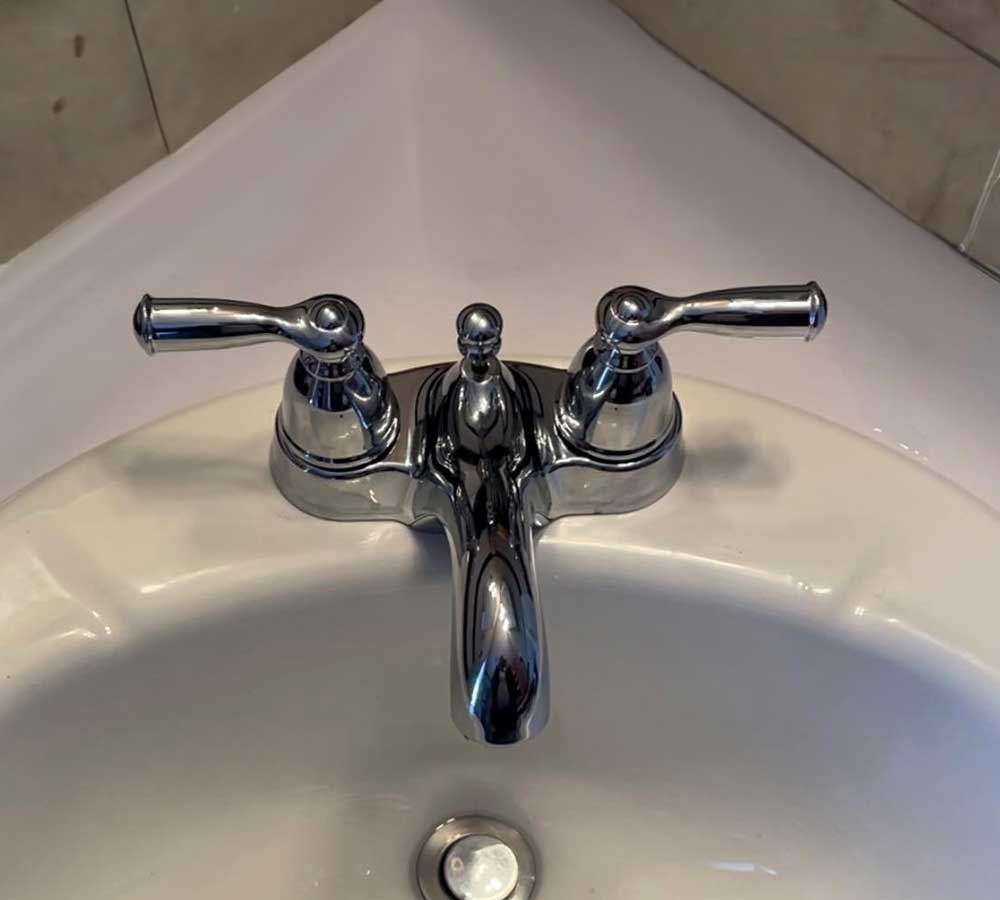
Why Is My Kitchen Faucet Sputtering After a Water Main Repair?
A sputtering kitchen faucet after municipal water work is often caused by trapped air or sediment, not a failed faucet. Here is how South Shore homeowners can safely diagnose the problem and know when to call a plumber.
If your kitchen faucet started sputtering, spitting, or losing a steady stream after a municipal water main repair, the timing is an important clue. Water service interruptions and line work can move air and loosen sediment inside the plumbing system. That material may travel into faucet aerators, shutoff valves, or cartridge openings when water service returns.
This problem is common in older South Shore homes with galvanized steel, copper, mixed piping, or aging service lines. It can also happen in newer homes when work in the street changes pressure or briefly interrupts the supply. In many cases, you can check the faucet safely before scheduling plumbing service.
First, determine whether the problem is isolated
Turn on the cold water at the kitchen faucet and observe the stream. Then check another cold-water fixture, such as a bathroom sink or bathtub. If several fixtures sputter, the issue may be air or sediment throughout the house. If only the kitchen faucet is affected, the restriction is probably at that faucet or its supply connections.
Also test hot and cold water separately. A sputtering cold side with a normal hot side points toward the cold-water supply, aerator, or cold shutoff valve. If both sides sputter, debris may be caught in the faucet aerator or cartridge, or air may still be moving through the branch line.
Let the plumbing system purge trapped air
After water service returns, open the affected cold-water faucet slowly. Let it run for several minutes while watching for bursts of air. Do not open every fixture at full force at the same time; a controlled flow makes it easier to see whether the stream is clearing.
If the water looks cloudy, allow it to run until it becomes clear. Cloudiness caused by tiny air bubbles usually clears in a glass after standing for a short time. Brown, orange, or visibly dirty water is different. It may indicate sediment released during the work, and you should follow any water-use instructions from your town or water department.
Massachusetts homeowners can review state drinking-water information through the Massachusetts drinking-water standards and guidelines page. If your municipality issued a specific notice, follow that notice first.
Clean the faucet aerator
The small screen at the end of most kitchen faucet spouts is called an aerator. It mixes air into the water and helps control the stream. Sediment can block the screen and cause sputtering, spraying, or weak flow.
- Place a towel over the drain so small parts cannot fall into it.
- Unscrew the aerator by hand. If it is tight, use pliers over a cloth to protect the finish.
- Keep the parts in order because some aerators contain a screen, washer, flow insert, or restrictor.
- Rinse the screen and remove loose grit with an old toothbrush.
- Reinstall the parts and turn the water on slowly.
If the aerator is stuck, damaged, or too corroded to remove without marking the faucet, stop rather than forcing it. A damaged faucet finish or broken insert can turn a simple cleaning into a larger repair.
Check the shutoff valves under the sink
Look under the kitchen sink for the hot and cold shutoff valves. Make sure the cold valve is fully open. A partially closed valve can reduce flow and make a faucet sound rough or uneven. Do not repeatedly force an old valve. Older valves can leak at the stem or fail internally when disturbed.
Look for moisture around the valve, the flexible supply line, and the faucet connections. If you see an active leak, close the valve if it operates normally and place a container underneath. If the valve will not close or begins leaking when touched, use the home’s main shutoff if you can identify it and contact a licensed plumber.
When sputtering means more than a dirty screen
Call for professional help if the faucet continues sputtering after the aerator is clean and the water has been purged. The restriction could be inside the faucet cartridge, supply line, shutoff valve, pressure-reducing equipment, or an older section of piping. A plumber can isolate the restriction instead of replacing parts at random.
Get help promptly if you notice a sudden whole-house pressure change, repeated bursts of air, discolored water that does not clear, visible leaks, or water coming from an unusual location. If the municipal work is still active, contact the water department as well so they can confirm whether the disturbance is on the street side or inside your property.
Homes in Quincy, Abington, and surrounding South Shore communities vary widely in age and plumbing materials. That history matters: a faucet issue after street work may expose sediment that has been resting in an older pipe for years. Our family-owned plumbing team can inspect the fixture and nearby plumbing while keeping the diagnosis focused on the actual symptom.
How to prevent a repeat problem
After planned water main work, remove and clean faucet aerators only if the water department says normal use has resumed. Avoid using hot water until cold water is clear, because sediment drawn into a water heater can create a separate maintenance problem. Check nearby fixtures one at a time and watch for leaks after the system is back under pressure.
Keep a note of which fixtures were affected, whether the hot or cold side was involved, and whether cleaning the aerator changed the stream. That information helps a plumber distinguish a fixture restriction from a broader pressure or supply problem. If you need help now, send the location, timing, affected fixtures, and any water discoloration when you use our contact page.
Plumbing service in the towns this covers
Common questions
Why is my faucet sputtering after the water was turned off?
How do I clear sediment from a sputtering kitchen faucet?
When should I call a plumber after a water main repair?
Can municipal water main work damage my kitchen faucet?
Need a Plumber Today?
Same-day availability when scheduling permits across Quincy, Braintree, Weymouth & the South Shore.
Johnson Bros. Plumbing
Licensed Master Plumber · MA Lic. PL #17034-M · Quincy and South Shore service