EMERGENCY CALLS AROUND THE CLOCK
CLICK TO TALK TO A REAL PLUMBERTAP TO CALL NOW

Should I Fix a Minor Plumbing Leak Myself or Call a Plumber?
A small leak can sometimes be stopped safely, but the wrong DIY repair can hide damage or make the leak worse. Use this South Shore checklist to decide what to do now and when to call a licensed plumber.
You find a drip under the sink, a damp shutoff valve, or a small stain below a bathroom. Do you tighten something, replace a part, or call a plumber? Start by controlling the water and identifying the source. A minor leak is not defined by how little water you can see. A slow drip inside a wall, floor, or cabinet can wet wood and insulation long before the damage becomes obvious.
What should I do as soon as I find a leak?
Move stored items away from the water, place a pan or towel below the drip, and locate the nearest fixture shutoff. Turn the valve clockwise gently. If it does not move, do not force it with a wrench; an old valve can break or begin leaking around its stem. If the fixture valve will not stop the water, use the home's main shutoff if you know where it is and can operate it safely.
Keep water away from outlets, power strips, appliances, and electrical panels. If water is near electricity, do not stand in the wet area or touch energized equipment. Leave the area and contact the appropriate emergency professionals. A bulging ceiling also calls for distance: keep people out from underneath it because wet plaster or drywall can fall.
Take clear photos before drying the area. Note whether the leak happens continuously, only when a faucet runs, only when a toilet flushes, or after rain. That timing helps separate a pressurized supply leak from a drain, fixture, condensation, or building-envelope problem.
Which small leaks can a homeowner reasonably check?
A careful homeowner can perform limited, reversible checks when the water is controlled and every connection remains visible. Reasonable examples include drying a cabinet to identify the first place water reappears, confirming that a threaded faucet aerator is snug by hand, or checking whether water is splashing past failed caulk rather than leaking from a pipe.
A loose slip-joint nut on an exposed sink drain may sometimes be hand-tightened slightly. First stop using the sink, put a container below the trap, and support the piping so it does not twist. Do not keep tightening if the washer is displaced, the nut is cracked, or the pipe is corroded. A search for bathroom sink repair may make the job look simple, but older metal traps and mismatched replacement parts can fail when disturbed.
After any adjustment, dry the assembly completely and test it while watching every joint. Fill and drain the basin, then inspect again several minutes later. Stop if the leak continues. Do not cover the connection with tape, putty, or sealant as a substitute for replacing the failed washer or fitting.
When should I stop and call a licensed plumber?
- The leak is inside a wall, ceiling, floor, or finished cabinet.
- Water continues with the fixture turned off.
- The shutoff valve is seized, corroded, or leaking.
- A pipe, valve body, faucet casting, or drain fitting is cracked.
- You smell sewage, see dirty backup water, or hear a drain gurgling.
- The leak involves a water heater, boiler, gas appliance, or fire-sprinkler piping.
- More than one fixture is draining slowly or backing up.
- You cannot identify the source after drying and observing the area.
These conditions need diagnosis, not a cosmetic patch. Massachusetts regulates plumbing work and plumber licensing. Homeowners can use the state's Check a Professional License service when evaluating who will perform regulated work.
Why are minor leaks different in South Shore homes?
Quincy, Abington, Weymouth, Braintree, and nearby communities include homes with plumbing added or altered in different eras. An exposed section may look new while piping behind the wall is older. Corroded galvanized lines, older brass connections, copper repairs, and modern plastic components may all appear in one building. Turning one fitting without supporting the adjoining pipe can transfer force to a weaker hidden joint.
New England temperature swings also matter. Pipes near exterior walls, sill areas, crawlspaces, garages, and unheated additions can freeze. A tiny split may drip after thawing and open further when pressure or temperature changes. If a leak appears during or after a freeze, close the water and arrange a professional inspection rather than assuming one visible crack is the only damage.
Summer humidity can create condensation on cold-water piping and toilet tanks. Dry the surface, observe where moisture forms, and compare it with fixture use. Condensation usually beads across a cool surface; a plumbing leak often begins at one joint, crack, or seal. Do not open a wall based only on a damp pipe, but do not dismiss recurring cabinet, ceiling, or floor moisture as humidity.
Which DIY leak repairs commonly make things worse?
- Overtightening a compression nut, supply connector, or plastic drain fitting.
- Using chemical drain cleaner when a trap or drain connection is already leaking.
- Wrapping tape around the outside of a pressurized leak.
- Applying caulk over a plumbing joint and hiding the source.
- Reusing old washers or connecting parts that do not match.
- Opening a wall before shutting off water and checking the visible fixtures above it.
The safest DIY action is often containment and documentation, not disassembly. If you are comparing an affordable plumber with a do-it-yourself repair, compare the scope as well as the immediate expense. Proper diagnosis should identify the failed component, the condition of adjacent piping, and whether the repair can remain accessible for testing.
What information should I give the plumber?
Share the room and fixture, when the leak started, whether it is constant or tied to use, what valve you closed, and whether the water changed color or smelled unusual. Mention recent freezing, renovations, drain clearing, appliance installation, or work in the room above. Photos of the dry connection and the active drip are useful. Avoid taking assemblies apart simply to provide a better picture.
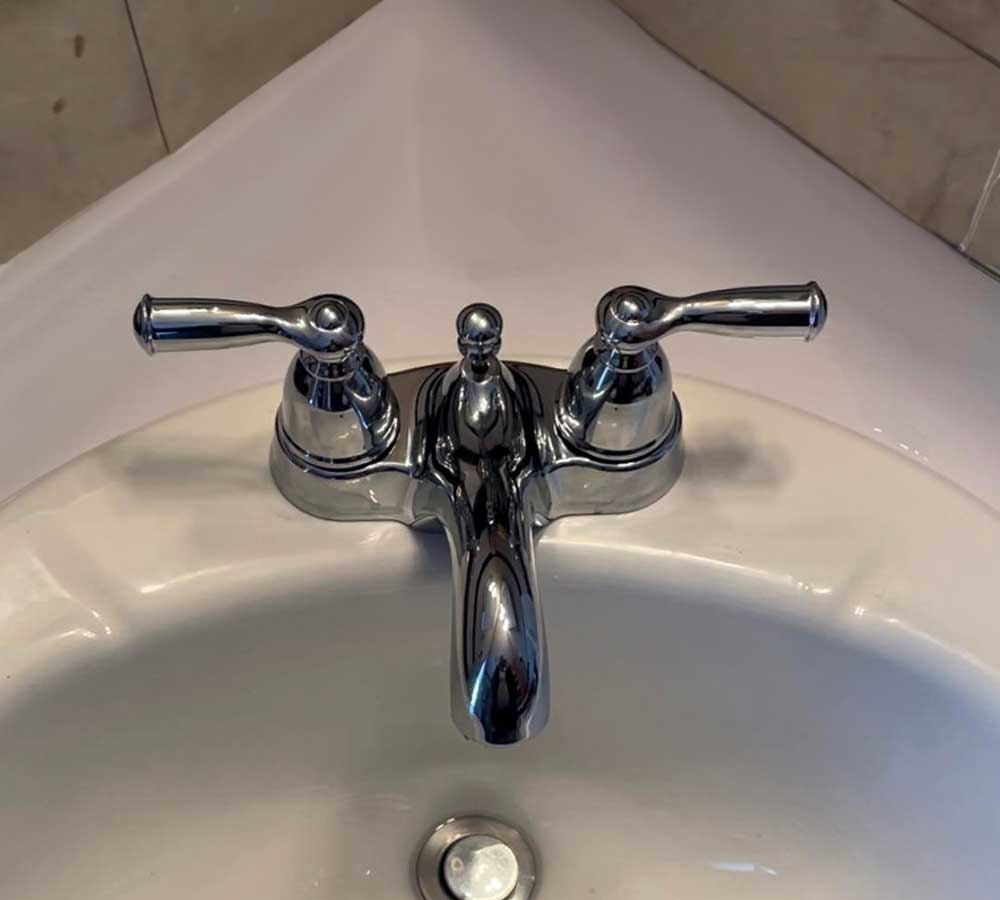
If the problem is a faucet, describe whether water leaks from the spout, handle, base, supply connection, or drain below. Those are different faults. Searching for bathroom faucet repair can help name the parts, but a licensed plumber should evaluate concealed damage or a valve that will not isolate safely.
How can Johnson Bros. help?
Johnson Bros. Plumbing & Drain Cleaning is a family-owned licensed plumbing company serving Quincy, Abington, and surrounding South Shore communities. You can read about the company on our About page. To request help with a leak, use our contact page or submit the details through our free estimate page.
Until the leak is evaluated, keep the affected fixture off, leave the area accessible, and check the container or towels you used for containment. If the leak increases or you cannot control the water safely, close the main shutoff if possible and protect people from wet ceilings and electrical hazards.
Plumbing service in the towns this covers
Common questions
Can I fix a small plumbing leak myself?
How do I know if a small leak is serious?
Should I use tape or sealant on a leaking pipe?
What should I tell a plumber about a leak?
Need a Plumber Today?
Same-day availability when scheduling permits across Quincy, Braintree, Weymouth & the South Shore.
Johnson Bros. Plumbing
Licensed Master Plumber · MA Lic. PL #17034-M · Quincy and South Shore service