EMERGENCY CALLS AROUND THE CLOCK
CLICK TO TALK TO A REAL PLUMBERTAP TO CALL NOW

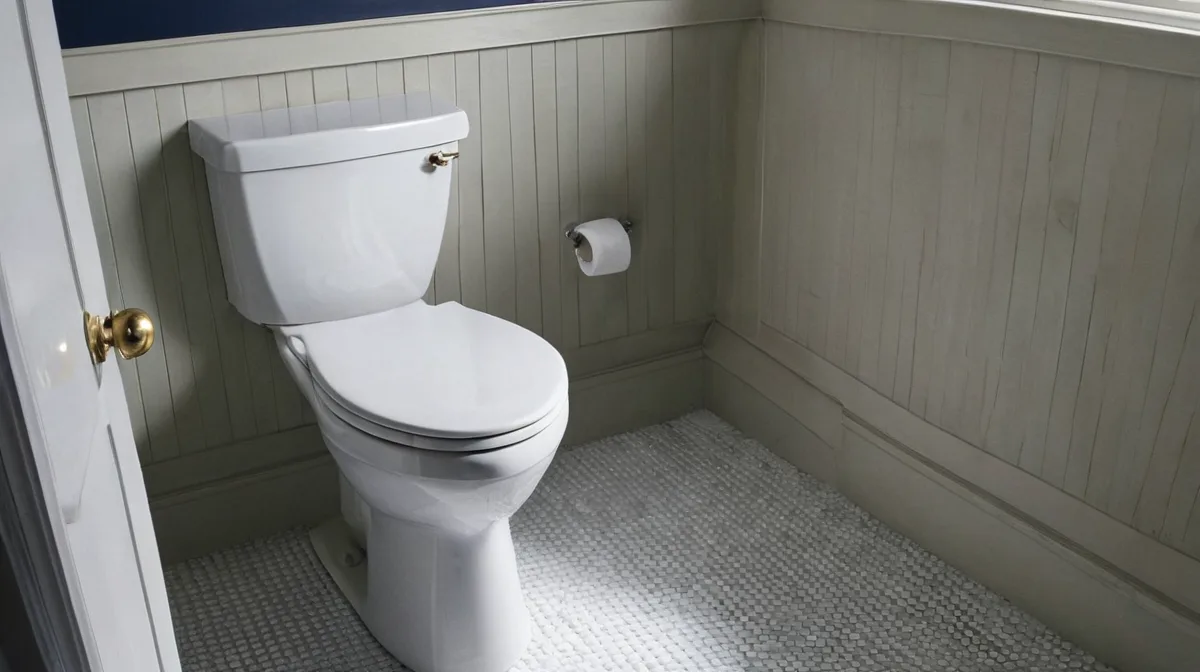
Why Is There Water Around the Base of My Toilet?
Water around a toilet can come from condensation, a loose supply connection, a tank leak, or a failed seal at the floor. Here is how South Shore homeowners can identify the likely source and prevent damage.
Water around the base of a toilet needs attention, even if the puddle is small. The water may be clean condensation from the outside of the tank, or it may be escaping from a supply connection, tank component, or the seal beneath the toilet. Finding the source quickly can help protect the bathroom floor and the ceiling below it.
This problem is especially confusing in South Shore homes during humid New England summers. Cold water entering the toilet tank can chill the porcelain enough for moisture in the air to collect on its surface. Older Quincy and Abington homes may also have uneven floors, aging shutoff valves, or toilet connections that have shifted over time.
First, determine where the water starts
Dry the toilet, floor, supply line, and shutoff valve with a towel. Then place dry paper towels around the base and beneath the supply connection. Flush the toilet several times and watch each area with a flashlight. Do not assume the base seal has failed until you have checked the tank and supply parts above it.
The timing provides an important clue. Water that appears only after flushing may point to the seal under the toilet or a connection between the tank and bowl. Water that develops slowly on a humid day may be condensation. A steady drip can come from the supply line, shutoff valve, or fill-valve connection.
Check for condensation on the tank
Run your hand over the outside of the tank. If the porcelain is covered with fine droplets, the tank may be collecting moisture from humid bathroom air. This commonly happens when repeated flushing keeps the tank filled with cold water while the room remains warm and damp.
Use the bathroom exhaust fan during showers and leave it running long enough to clear the moisture. Confirm that the fan actually vents outdoors rather than into an attic or enclosed cavity. Wipe the tank dry and monitor it before assuming that plumbing work is required.
Condensation can still damage flooring if enough water reaches the floor. If moisture repeatedly returns, a plumber can confirm whether condensation is the only issue and discuss practical options based on the toilet, ventilation, and bathroom conditions.
Inspect the supply line and shutoff valve
Follow the small water line from the wall or floor to the bottom of the toilet tank. Check both ends of the line, the shutoff-valve stem, and the connection under the tank. A slow leak may travel along the line before dripping somewhere else, making the source easy to misidentify.
- Look for a bead of water forming at a threaded connection.
- Check for corrosion, mineral buildup, or staining around the valve.
- Feel the supply line with a dry paper towel to expose slight moisture.
- Do not force an old shutoff valve if it is stuck or heavily corroded.
If a valve or connection is actively leaking, avoid repeatedly tightening it with excessive force. Older valves and fittings can crack or begin leaking more severely when disturbed. A licensed plumber can replace deteriorated components and verify that the connection holds under normal water pressure.
Look for leaks between the tank and bowl
On a two-piece toilet, water can escape where the tank attaches to the bowl. Worn tank bolts, washers, or the large gasket between the two sections may release water during or after a flush. The water then runs down the porcelain and gathers around the base.
Dry the underside of the tank and examine the bolt locations. Flush while watching for droplets. If the tank rocks when touched, stop testing it. Uneven tightening can crack porcelain, and cracked toilet components generally need replacement rather than a temporary patch.
Watch what happens when the toilet flushes
If the tank and supply connections remain dry but water appears at floor level after a flush, the seal beneath the toilet may no longer be watertight. Movement at the bowl can damage or separate that seal. A toilet may rock because its mounting hardware is loose, the floor is uneven, or the material beneath it has deteriorated.
Do not caulk over an unexplained leak. Caulk can hide the water without repairing the source, allowing moisture to remain beneath the toilet. The toilet may need to be removed so the flange, seal, fasteners, and surrounding floor can be inspected.
Massachusetts plumbing work is governed by the 248 CMR 10.00 Uniform State Plumbing Code. A proper repair should address the failed connection and any damaged mounting components rather than simply covering the visible gap.
Check for signs of damage below the surface
Water can travel beneath tile, vinyl, or finished flooring before becoming obvious. In older South Shore houses, it may also reach wood subflooring or the ceiling below the bathroom. Inspect the area around the toilet and, when accessible, the room or basement beneath it.
- Soft, raised, stained, or discolored flooring
- A persistent musty odor
- Brown marks or bubbling paint on the ceiling below
- A toilet that shifts when someone sits down
- Repeated moisture after the visible area has been dried
Avoid using the toilet if water escapes during flushing, the bowl moves, the flooring feels soft, or wastewater is present. Limit the spread with towels or a shallow container, and keep people away from any wet ceiling below.
When should you call a plumber?
Call for plumbing service when you cannot identify the source, the shutoff valve does not operate safely, the toilet rocks, or water returns after each flush. Professional toilet repair may require removing the fixture, checking the flange and floor, replacing failed seals or connections, and testing the completed work.
Johnson Bros. Plumbing & Drain Cleaning serves homeowners in Quincy, Abington, and surrounding South Shore communities. You can contact our plumbing team to describe what you are seeing or request a free estimate for eligible planned work. Our standard service-call fee is $99 when diagnostic service is needed.
Whichever plumber you call, provide useful details: when the water appears, whether it is clean or discolored, whether the toilet moves, and whether there is damage below the bathroom. Those observations help the plumber understand the immediate risk and prepare for an accurate inspection.
What should you do right now?
Dry everything, trace the water from the highest possible point, and flush only while you can observe the toilet safely. If the leak is active, close the toilet shutoff valve only if it turns normally without force. Stop using the fixture if the bowl rocks, the floor feels weak, or water appears from beneath the base after flushing.
A small puddle does not always mean a major repair, but it should not be ignored. Separating ordinary condensation from an actual toilet leak is the first step toward protecting the floor and choosing the right plumbing repair.
Plumbing service in the towns this covers
Common questions
Why does water appear around my toilet after I flush?
Can toilet tank condensation make a puddle on the floor?
Should I use a toilet that leaks at the base?
Can I caulk around the toilet to stop the water?
When should I call a plumber for water around a toilet?
Need a Plumber Today?
Same-day availability when scheduling permits across Quincy, Braintree, Weymouth & the South Shore.
Johnson Bros. Plumbing
Licensed Master Plumber · MA Lic. PL #17034-M · Quincy and South Shore service