EMERGENCY CALLS AROUND THE CLOCK
CLICK TO TALK TO A REAL PLUMBERTAP TO CALL NOW
What Should South Shore Homeowners Know About Mass Save Water Heater Rebates?
Replacing a water heater in Quincy, Abington, or nearby South Shore communities may qualify for Mass Save incentives, but eligibility depends on the equipment, installation, utility, and current program rules. Here is what to check before scheduling the work.
If your water heater is leaking, running out of hot water, or nearing the end of its service life, you may be wondering whether a Mass Save incentive can help with an upgrade. South Shore homeowners in Quincy, Abington, Weymouth, Braintree, and surrounding communities should check the current program requirements before choosing equipment or authorizing installation.
Mass Save programs can change, and not every water heater or installation qualifies. The safest approach is to confirm the current incentive directly through the Mass Save residential rebates and incentives page, then discuss the equipment options with a licensed plumber.
What types of water heaters may be eligible?
Eligibility depends on the specific program and the equipment being installed. Incentives may apply to qualifying high-efficiency water-heating equipment, but the exact requirements can include efficiency ratings, fuel type, equipment model, installation method, and whether the work is completed by an eligible contractor.
Do not assume that replacing an old tank with any new tank will qualify. A conventional replacement may have different requirements from a heat-pump water heater, indirect water heater, or tankless system. The equipment must generally meet the program’s rules at the time of installation, and documentation may be required.
Why should you check before buying the equipment?
Many homeowners begin by purchasing a water heater and then ask about rebates afterward. That can create a problem if the selected model, contractor, or installation process does not meet the current requirements. Before work begins, confirm:
- Whether your electric or gas utility participates in the relevant Mass Save offering.
- Which equipment types and efficiency ratings are currently eligible.
- Whether the contractor must be enrolled, approved, or otherwise qualified.
- Whether an application, reservation, or pre-approval is required before installation.
- Which invoices, model numbers, photographs, or other documents must be saved.
- The deadline for submitting the completed paperwork.
Program rules are the source of truth. A plumber can help identify practical equipment choices, but Mass Save determines whether a particular incentive is available under the current terms.
What should South Shore homeowners consider in an older house?
Homes across the South Shore often have tight basements, older wiring, aging shutoff valves, narrow stairways, low ceilings, and plumbing that has been modified over several decades. These conditions can affect which water heater is practical, even when a model appears eligible on paper.
Before replacing the unit, look at the venting, fuel supply, electrical service, drain arrangement, expansion tank, shutoff valve, and access path. A newer high-efficiency unit may require different connections or clearances. In a basement with a history of seepage or flooding, the location and protection of the water heater also deserve attention.
Cold Massachusetts winters create another concern. If pipes run through an unheated basement, garage, crawlspace, or exterior wall, the installation should account for freeze risk. A rebate does not replace the need for a safe, code-compliant installation suited to the house.
Should you repair or replace the water heater?
A leaking tank, repeated loss of hot water, discolored water, unusual noises, or a relief-valve discharge should be evaluated promptly. Some problems involve a replaceable component, while corrosion or a leaking storage tank may point toward replacement. The right choice depends on the condition of the equipment and the homeowner’s goals.
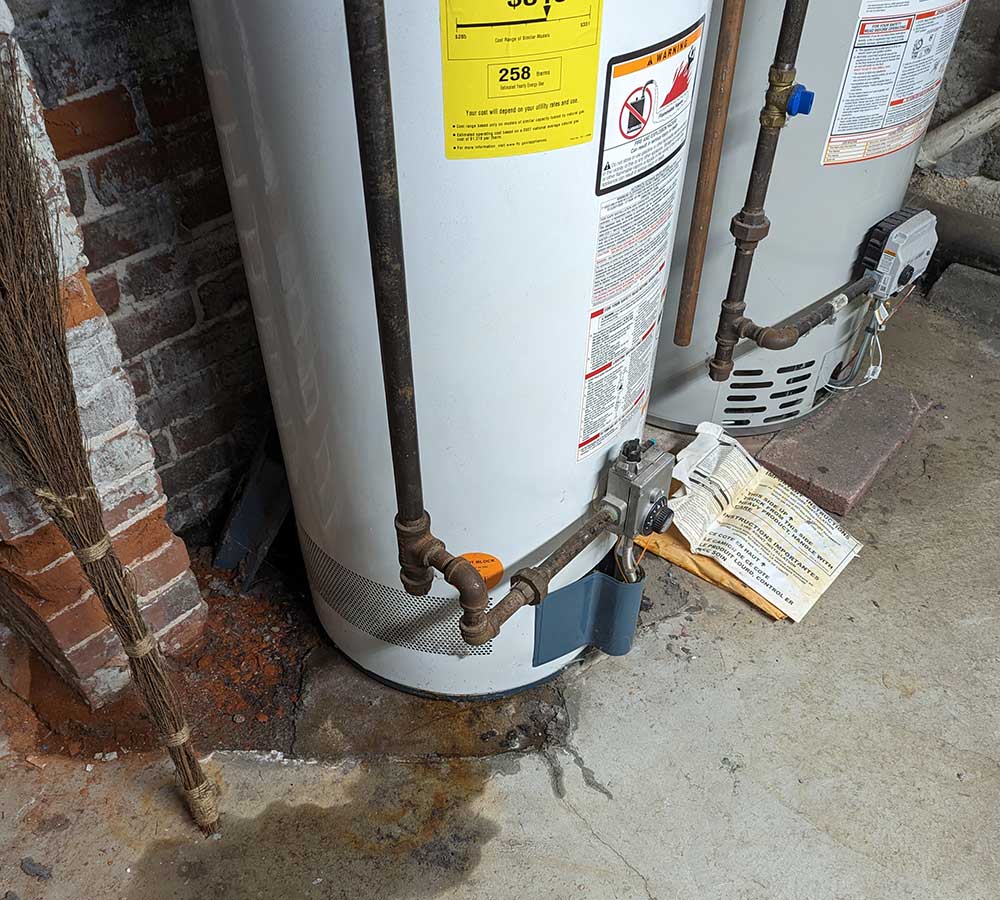
If the unit is actively leaking, shut off the water supply to the heater and the fuel or electrical source if it is safe to do so. Move belongings away from the area and avoid touching wet electrical components. For help evaluating the problem, see our water heater service page. If the tank is leaking, our water heater leaking service page explains why prompt attention matters.
What questions should you ask a plumber?
Ask which equipment options fit your home, what changes the installation may require, and whether the proposed model appears to meet the current Mass Save requirements. Also ask what information you will receive for your records, including the manufacturer, model number, efficiency information, invoice, and installation date.
A responsible estimate should separate the equipment recommendation from the incentive question. The rebate should not be treated as guaranteed until the program administrator confirms eligibility. If the project involves unusual access, outdated piping, venting changes, or electrical work, ask what conditions could affect the installation plan before work starts.
Where can you verify the current Mass Save rules?
Use the official Mass Save website rather than relying on an old advertisement, social-media post, or rebate amount copied from a previous year. Check the current residential water-heating information, utility participation, equipment requirements, application instructions, and submission deadlines.
Johnson Bros. Plumbing & Drain Cleaning serves homeowners in Quincy, Abington, and nearby South Shore communities. We can help evaluate an existing water heater and explain installation considerations. The standard service-call fee is $99. Confirm current Mass Save eligibility through the program before purchasing equipment or scheduling rebate-related work.
Plumbing service in the towns this covers
Common questions
Can a South Shore homeowner get a Mass Save rebate for replacing a water heater?
Do I need Mass Save approval before installing a new water heater?
Does every new water heater qualify for a Mass Save incentive?
What should I check before replacing a water heater in an older Massachusetts home?
Need a Plumber Today?
Same-day availability when scheduling permits across Quincy, Braintree, Weymouth & the South Shore.
Johnson Bros. Plumbing
Licensed Master Plumber · MA Lic. PL #17034-M · Quincy and South Shore service