EMERGENCY CALLS AROUND THE CLOCK
CLICK TO TALK TO A REAL PLUMBERTAP TO CALL NOW
What Is Predictive Plumbing Maintenance for a South Shore Home?
Predictive plumbing maintenance helps South Shore homeowners find aging pipes, failing shutoffs, sump-pump problems, and water-heater warning signs before they become leaks or flooding. Here is a practical way to inspect a Quincy or Abington home through every season.
Predictive plumbing maintenance means looking for warning signs before a plumbing failure interrupts your home. Instead of waiting for a burst pipe, blocked drain, or failed water heater, you check the parts of the system that are most exposed to age, freezing weather, hard use, and basement moisture.
This approach is especially useful in South Shore homes. Quincy and Abington include older houses with mixed plumbing materials, finished basements, narrow utility areas, aging shutoff valves, and additions built at different times. A home may have newer fixtures connected to older supply lines or drainage piping. A simple inspection can identify those transition points before they cause damage.
What should you inspect before there is a plumbing emergency?
Start with the areas where a small problem can become expensive or disruptive:
- Under sinks: Look for green or white buildup on copper, damp cabinet floors, swollen wood, corrosion around supply connections, and slow drips.
- Toilets: Check for rocking, moisture around the base, a constantly running tank, or a shutoff valve that will not turn.
- Water heater: Look for rust, moisture near fittings, unusual noise, or a temperature and pressure relief discharge pipe that is wet.
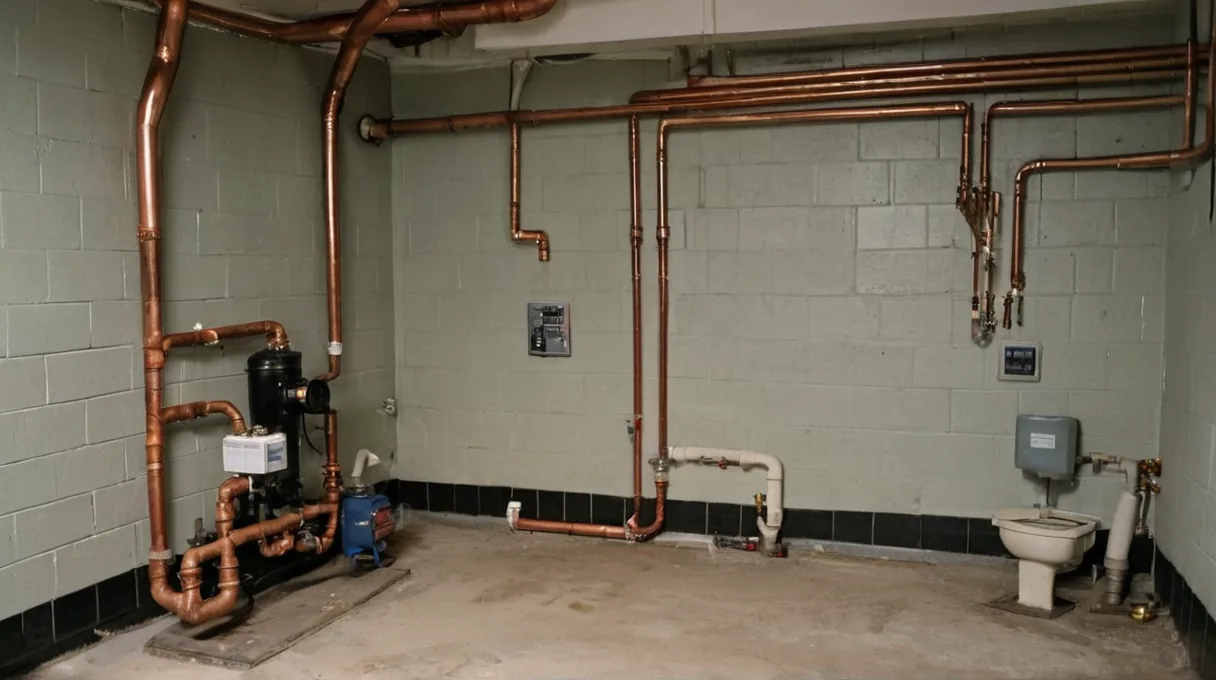
- Basement piping: Inspect exposed pipes, especially near exterior walls, rim joists, crawlspaces, and unheated areas where freezing is possible.
- Floor drains and sump equipment: Remove visible debris, confirm the sump pump has power, and make sure the discharge route is not blocked or frozen.
- Outdoor hose connections: Confirm hoses are disconnected before freezing weather and check indoor shutoffs for seepage.
Why does New England weather matter?
Cold weather creates a predictable risk for South Shore plumbing. Pipes near exterior walls, garages, crawlspaces, and poorly insulated basement ceilings can freeze when temperatures drop. Frozen water expands inside the pipe. The visible leak may not appear until the pipe warms and pressure returns.
Before the first hard freeze, identify the main water shutoff and make sure it works. Mark it clearly so everyone in the household can find it. If you leave the home during a cold spell, keep interior heat at a safe level and open cabinet doors where plumbing is exposed to cold exterior walls.
Heavy rain also deserves attention. A sump pump may work during a normal test but fail during a storm because of a dead backup battery, blocked discharge pipe, tripped breaker, or overwhelmed drainage route. Testing the pump before a major storm is safer than discovering the problem after water enters the basement.
Which warning signs should not wait?
Some conditions call for prompt attention rather than placement on a future maintenance list. Shut off the water and seek plumbing help if a supply pipe is actively leaking, a water heater is releasing water, sewage is backing up, or you cannot stop water from reaching electrical equipment.
A slow drain is different from an active flood, but it still provides useful information. Repeated clogs, gurgling fixtures, sewer odors, or water that rises in a basement drain can indicate a developing drainage problem. Do not rely on repeated chemical drain treatments to solve a recurring blockage; they may not address the underlying restriction and can make service work more hazardous.
How can a homeowner create a maintenance calendar?
Use the seasons as reminders:
- Spring: Check the sump pump, basement drains, outdoor faucets, and any piping exposed to winter conditions.
- Summer: Look for irrigation-related leaks, hose-connection seepage, and unusual changes in water pressure.
- Fall: Disconnect outdoor hoses, test shutoff valves, inspect the water heater, and protect vulnerable pipes before freezing weather.
- Winter: Watch for condensation, frozen-pipe warning signs, slow drains, and moisture around basement plumbing.
Keep notes about repairs, fixture replacements, water-heater service, and any valve that was difficult to operate. Those records help a plumber understand whether a problem is isolated or part of a larger aging-system pattern.
When should you call a plumber for preventive work?
Call for an inspection when you see corrosion, recurring leaks, unexplained dampness, persistent drain problems, low or changing water pressure, or plumbing that has not been evaluated since you moved into the home. Preventive service is also sensible before a renovation, basement finishing project, or extended winter vacancy.
Johnson Bros. Plumbing & Drain Cleaning serves homeowners in Quincy, Abington, and nearby South Shore communities. You can learn more about our company or contact Johnson Bros. to discuss a plumbing concern. Homeowners planning work can also review the free estimate request page.
Any plumbing alteration should follow Massachusetts requirements and be handled by the appropriate licensed professional. The Massachusetts plumbing code information is a useful starting point for understanding the state framework, but it does not replace an evaluation of your specific home.
The practical goal of predictive plumbing maintenance
The goal is not to replace every older fixture or predict the exact day something will fail. It is to notice risk early, know where the shutoffs are, protect vulnerable pipes from South Shore weather, and address repeated warning signs before they become water damage. A short seasonal check can give you better information and a safer plan for the next repair.
Plumbing service in the towns this covers
Common questions
What is predictive plumbing maintenance for a home?
How often should a homeowner inspect plumbing?
How can I protect pipes from freezing in Massachusetts?
When should I call a plumber for preventive maintenance?
Need a Plumber Today?
Same-day availability when scheduling permits across Quincy, Braintree, Weymouth & the South Shore.
Johnson Bros. Plumbing
Licensed Master Plumber · MA Lic. PL #17034-M · Quincy and South Shore service