EMERGENCY CALLS AROUND THE CLOCK
CLICK TO TALK TO A REAL PLUMBERTAP TO CALL NOW

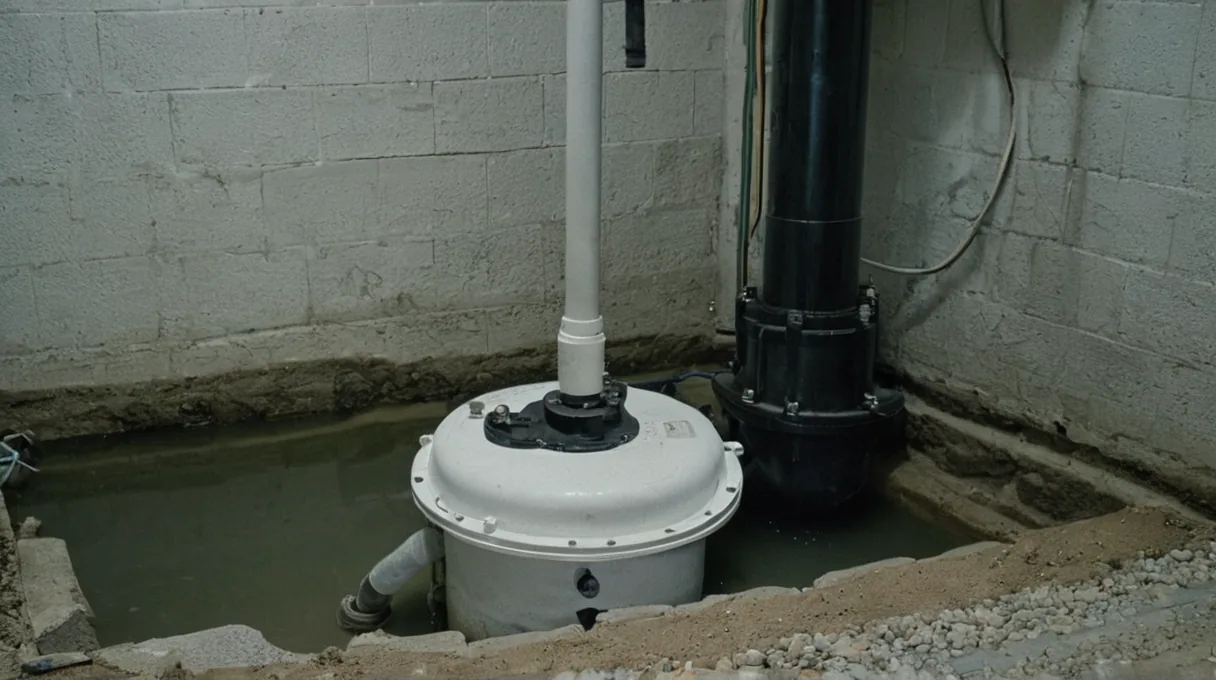
How Do You Test a Sump Pump Before a Storm?
A practical homeowner checklist for testing a sump pump, checking its discharge, preparing for a power outage, and knowing when to call before heavy rain reaches the South Shore.
Short answer: test your sump pump before heavy rain by confirming the pit is clear, checking that the float can move freely, slowly adding clean water until the pump starts, and watching to make sure the water level drops and the pump shuts off normally. Then inspect the visible discharge line outside. Stop if you see damaged wiring, smell burning, hear harsh grinding, or cannot reach the equipment without stepping into water.
Why test the pump before the forecast gets serious?
A sump pump is easiest to evaluate while the basement is dry and there is time to address a problem. During a storm, groundwater can rise quickly, power can fail, and a partially blocked discharge can send water back toward the foundation. A pump that worked last season is not proof that its float, check valve, outlet, or discharge path is ready today.
The Massachusetts Emergency Management Agency says flooding is the most common hazard in Massachusetts. Its flood safety guidance specifically advises homeowners to elevate basement belongings and check that a sump pump is working when a flood watch is in effect. The safer approach is to do that check before the watch, not after water has begun entering the basement.
Start with a dry visual check
Use a flashlight and look into the sump pit without reaching into it. Remove only loose objects that can be picked up safely from outside the basin. The float needs room to rise and fall without catching on the pump, lid, cords, or the side of the pit. Make sure the pump appears upright and that the visible discharge pipe is connected.
Check the power cord and plug from a dry location. Do not use an extension cord, bypass a grounding pin, or handle a wet plug. If the cord is cracked, the outlet is loose, the plug is hot, or there are scorch marks, stop and have the electrical condition evaluated. A plumber can assess the pump and piping, but damaged electrical equipment may also require a qualified electrician.
Run a controlled water test
If the pit and power connection look safe, slowly pour clean water into the basin. Add enough for the float to rise naturally. Do not pull wiring, force the float, or put your hand into the water while the pump is energized.
A normal test should produce a clear sequence:
- The float rises without binding.
- The pump starts before the basin reaches the top.
- The water level drops steadily.
- The pump shuts off after the water falls.
- The basin does not immediately refill from water rushing backward through the discharge.
One test is useful; two controlled cycles can reveal an intermittent float problem. Stop if the motor only hums, the pump runs without lowering the water, it cycles rapidly, or it continues running after the water has dropped. Repeatedly powering a struggling pump is not a repair.
Check the discharge path outside
While another adult observes from a safe, dry location, check where the sump water exits. The outlet should be visible, open, and directed away from the foundation according to the property’s approved setup. Leaves, soil, ice, crushed piping, and disconnected joints can restrict flow. Water dumping beside the foundation can return to the same area the pump is trying to protect.
Do not alter the discharge into a sewer, street, neighbor’s property, or another unapproved location. Local rules and site conditions differ. If the line is buried, inaccessible, or repeatedly backs up, have the route evaluated rather than guessing where it runs.
Plan for a power outage, not just pump failure
A standard electric sump pump cannot protect the basement when its circuit has no power. Check whether your home has a separate battery backup or another professionally installed backup system. If it has a battery, follow the manufacturer’s inspection and replacement instructions; a battery’s presence does not prove it is charged or able to carry the pump through an outage.
Do not run a portable generator inside a house, basement, garage, or other enclosed area. Generator exhaust can create a deadly carbon-monoxide hazard. Storm preparation should be planned before an outage, with equipment installed and used according to manufacturer instructions and applicable safety requirements.
Warning signs that deserve a service call
Schedule an evaluation before the next storm if the pump fails the water test, sounds rough, smells hot, shifts in the basin, or sends little water outside. Other warning signs include frequent short cycling, a float that sticks, water flowing backward after shutdown, a loose discharge connection, and evidence that the pit recently overflowed.
Also call when you cannot identify whether the basement water is groundwater, a leaking pipe, a water-heater problem, or a drain backup. A sump pump only addresses water that reaches its basin; it does not fix a pressurized plumbing leak or sewage backup. For an active plumbing leak that is spreading or cannot be shut off safely, use our emergency plumbing guidance. For leaking or damaged water lines, see our pipe repair service.
Make the basement easier to protect
Keep boxes, paint, documents, and valuables off the floor, especially near the sump pit and mechanical equipment. Leave a clear path to the pump, main water shutoff, electrical panel, boiler, and water heater. Photograph the pump label and visible piping while everything is dry; that can help identify the equipment later without kneeling beside rising water.
If water is already entering near outlets, appliances, a boiler, a water heater, or the electrical panel, do not step into it. Keep people and pets out of the area and follow public-safety instructions. During a flood warning, personal safety and moving to higher ground take priority over saving basement belongings or troubleshooting equipment.
When to call Johnson Bros.
Our sump pump repair and replacement service covers the South Shore. Call when the pump does not start, cannot clear the basin, will not shut off, or has a loose or blocked discharge. We can also help determine whether the visible water points to a sump-system issue or a separate plumbing leak. Tell the office whether water is already entering, whether the pump has power, what happened during the water test, and whether the discharge is flowing outside.
Testing now gives you time to correct a problem before the next South Shore downpour. If the system passes, keep the pit accessible and repeat the check before major storms and after any event that made the pump run heavily.
Common questions
How often should I test my sump pump?
What does it mean if the pump runs but the water level does not drop?
Do I need a battery backup sump pump?
When should I stop and call someone?
Need a Plumber Today?
Same-day availability when scheduling permits across Quincy, Braintree, Weymouth & the South Shore.
Johnson Bros. Plumbing
Licensed Master Plumber · MA Lic. PL #17034-M · Quincy and South Shore service