EMERGENCY CALLS AROUND THE CLOCK
CLICK TO TALK TO A REAL PLUMBERTAP TO CALL NOW
How Can I Prevent Basement Flooding in My South Shore Home?
Basement flooding often starts with a failed pump, blocked drain, foundation seepage, or frozen exterior drainage. Use this practical South Shore checklist to reduce damage before the next downpour or thaw.
If water is entering your basement now, protect people first. Stay out of standing water if it may have reached outlets, appliances, a boiler, or the electrical panel. Do not handle plugs or equipment while standing on a wet floor. If it is safe, shut off the water only when a burst pipe or plumbing fixture is the source. Then call the appropriate emergency professional.
Basement flooding on the South Shore is not always caused by one dramatic failure. In older Quincy and Abington homes, water may follow fieldstone foundations, enter through a bulkhead, back up through a floor drain, or overflow after a sump pump stops. Heavy rain, coastal storms, snowmelt, frozen discharge piping, and saturated soil can expose several weak points at once. Effective basement flood prevention starts by identifying the source instead of treating every puddle as the same problem.
Where is the basement water coming from?
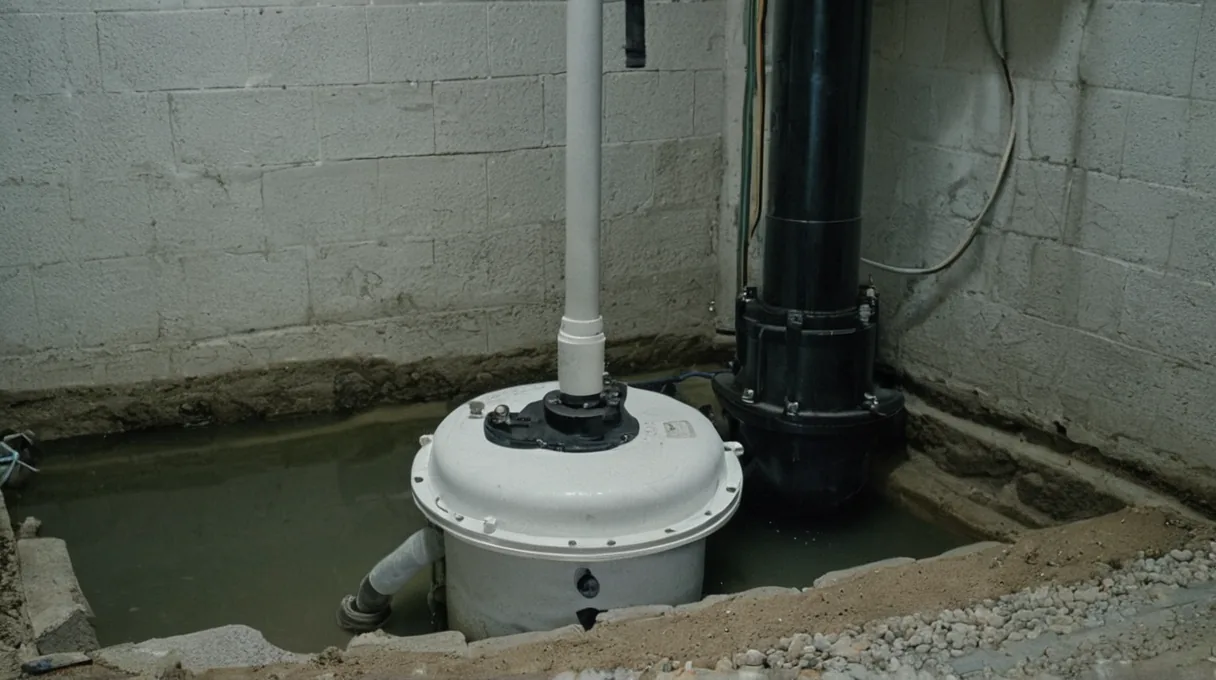
Look from a dry, safe location and note where the water first appears. Water at a wall joint or through cracks often points to groundwater or exterior drainage. Water below a sink, boiler, water heater, laundry connection, or exposed pipe may indicate a plumbing leak. Water rising from a floor drain can indicate a drain or sewer problem. Water around a sump pit may mean the pump, float, check valve, power supply, or discharge route failed.
Do not assume clear water is harmless. It can cross dirty floors or mix with drain water. If wastewater is present, keep children and pets away, avoid direct contact, and do not run fixtures that may add more flow to the blocked line. A suspected basement drain backup boston ma search may describe the symptom, but the critical next step is determining whether the backup affects one fixture, the building drain, or the municipal side.
What should I check before the next storm?
- Test the sump pump. Make sure the pit is clear, the float moves freely, and the pump starts and removes water. Never reach into a powered pit. Follow the pump manufacturer’s instructions.
- Inspect the discharge. Confirm that the pipe is connected, supported, and able to discharge away from the foundation. A frozen, crushed, or detached line can send water back toward the basement.
- Check the backup system. If the pump has a battery backup, inspect it according to its manufacturer’s schedule. A battery is not permanent protection; age, poor charging, and neglected terminals can leave it unavailable during an outage.
- Clear gutters and downspouts. Roof water should move away from the house, not collect beside the foundation or bulkhead.
- Look at the grading. Soil and paved areas that slope toward the house can concentrate stormwater against basement walls.
- Inspect exposed plumbing. Look for corrosion, active drips, damaged shutoffs, bulging washing-machine hoses, and pipes exposed to freezing drafts.
- Locate the main shutoff. Every adult in the home should know where it is and how to operate it. Do not force a valve that is seized or leaking.
A useful storm check is different from pouring water into every drain or repeatedly cycling old equipment. If a pump sounds strained, a valve will not move, or a drain gurgles when other fixtures run, stop testing and arrange an inspection.
How can I tell whether a floor drain needs service?
A floor drain that is slow, smells like sewage, gurgles, or pushes water upward when a toilet, washer, or sink drains needs attention. Professional basement drain cleaning may be appropriate when buildup or a blockage is confirmed, but cleaning is not a cure for a collapsed pipe, root intrusion, an improperly connected system, or municipal sewer surcharge.
Do not remove a cleanout plug under pressure. Do not mix chemical drain cleaners, and tell the plumber if any chemical has already been used. A plumber may need to inspect accessible piping, test fixture behavior, clear the line, or recommend a camera inspection based on the symptoms. Massachusetts plumbing work is governed by the 248 CMR 10 plumbing code; changes to drainage, sump discharge, or backwater protection should be evaluated and completed correctly.
Which improvements reduce repeat flooding?
The right improvement depends on the water source. A larger pump will not repair a leaking water service. Drain cleaning will not correct roof runoff aimed at a foundation. Waterproof coating alone may not manage rising groundwater. Before spending money, document where the water entered, the weather conditions, which fixtures were in use, whether power was lost, and how quickly the level changed.
- For groundwater near a sump pit, have the pump, float, check valve, pit, electrical supply, and discharge arrangement evaluated as one system.
- For drain backups, identify the affected fixtures and inspect the building drain before choosing a cleaning or repair method.
- For frozen pipes, seal drafts and address insulation or pipe placement after the immediate leak is repaired.
- For roof runoff and surface water, correct gutters, downspouts, grading, window wells, and bulkhead drainage where appropriate.
- For valuable storage, move belongings off the floor in sealed containers. Keep chemicals, fuel, and electrical equipment out of likely floodwater.
When should I call a plumber?
Call when water is coming from supply piping, a fixture, water heater, boiler connection, building drain, floor drain, or sump system. Also call when the source is uncertain and plumbing is a realistic possibility. Share photos, the first location where water appeared, recent weather, any power loss, and which fixtures trigger the problem. Those details help narrow the cause.
Johnson Bros. Plumbing & Drain Cleaning is a family-owned, licensed South Shore plumbing company serving Quincy, Abington, and surrounding communities. You can contact Johnson Bros. about an active plumbing problem or request a free estimate for planned corrective work. The standard service-call fee is $99. The final scope depends on what inspection finds; avoid anyone promising a universal fix before identifying the source.
What should I keep ready during storm season?
Keep a flashlight, gloves, manufacturer instructions, insurance contact information, and clear photos of the basement before damage occurs. Label the main water shutoff and electrical panel without blocking access. Save the plumber’s number somewhere available during a power or internet outage. Most importantly, test protective equipment before severe weather reaches the South Shore—not while water is already rising.
Plumbing service in the towns this covers
Common questions
Why does my basement flood only during heavy rain?
Can I use my plumbing while the basement drain is backing up?
How often should I test my basement sump pump?
Should I install a battery backup for my sump pump?
Need a Plumber Today?
Same-day availability when scheduling permits across Quincy, Braintree, Weymouth & the South Shore.
Johnson Bros. Plumbing
Licensed Master Plumber · MA Lic. PL #17034-M · Quincy and South Shore service