EMERGENCY CALLS AROUND THE CLOCK
CLICK TO TALK TO A REAL PLUMBERTAP TO CALL NOW

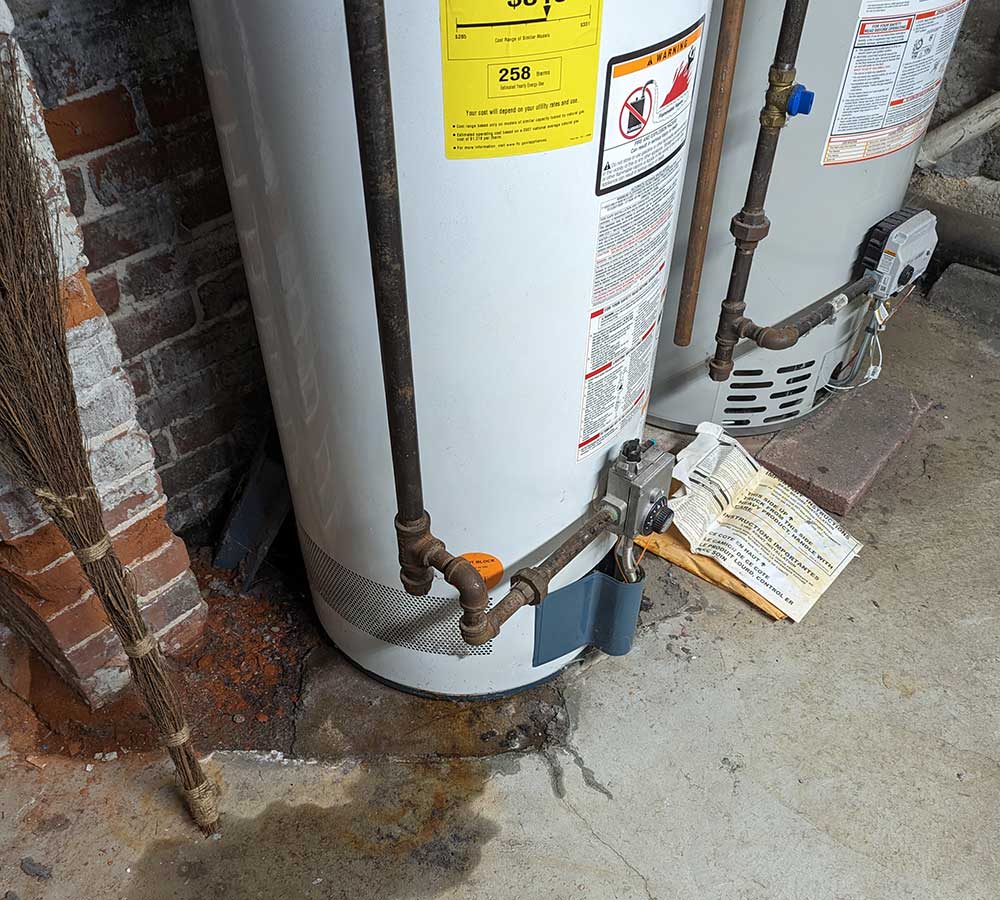
Why Is My Water Heater Making a Loud Popping Sound After Years of Normal Use?
A water heater that starts popping after years of quiet operation often has sediment collecting inside the tank. Learn what the sound means, what you can safely check, and when a South Shore homeowner should call a licensed plumber.
A water heater that suddenly makes a loud popping or rumbling sound can be alarming, especially when it worked quietly for years. In many South Shore homes, the most common cause is sediment collecting at the bottom of the tank. Minerals in the water settle inside the heater, where they can trap water against the burner or heating element.
When that trapped water heats up, it can boil briefly and force its way through the sediment. The result is a popping, cracking, rumbling, or knocking sound. The noise does not automatically mean the tank is about to fail, but it should not be ignored.
Why does sediment make a water heater pop?
Tank-style water heaters heat water from the bottom. Gas models use a burner beneath the tank, while electric models use heating elements inside the tank. Over time, minerals and small particles can settle on the bottom surface.
The sediment layer acts like insulation. The burner or element may run longer to heat the water, and water underneath or within the sediment can become unusually hot. Small pockets of steam or boiling water then push through the deposit, creating the popping sound.
Older homes in Quincy, Abington, Weymouth, and nearby South Shore communities may have heaters that have operated for many years without regular flushing. New England temperature swings and hard-use winter routines can also make the problem more noticeable when the household is using more hot water.
What does a popping water heater sound like?
- Popping or crackling: often points to water boiling around sediment.
- Low rumbling: can indicate a thicker layer of buildup at the tank bottom.
- Knocking from the pipes: may be water hammer or expanding water moving through the plumbing rather than sediment inside the heater.
- Hissing or sizzling near the top: may indicate a leak, pressure issue, or water contacting a hot surface.
The sound alone cannot confirm the cause. The heater's age, fuel type, condition, and visible symptoms all matter.
What should I check right now?
Start by looking around the tank without removing any covers or fittings. Check for water around the base, moisture on nearby pipes, rust-colored staining, a damp relief-valve discharge pipe, or a damaged drain pan. Also note whether the hot water is discolored, runs out unusually fast, or changes temperature during use.
If you smell gas, leave the area and contact the appropriate emergency service or gas utility. Do not operate electrical switches or attempt to relight equipment if you suspect a gas leak. If water is actively leaking, shut off the water supply to the heater if you can do so safely and protect nearby flooring and belongings.
Do not open an electrical access panel, remove a burner assembly, or loosen the temperature-and-pressure relief valve. A water heater combines hot water, stored pressure, electricity, and in some homes natural gas or propane.
Can flushing stop the popping?
Flushing can reduce noise when sediment is the main cause, but it is not always a simple or safe do-it-yourself repair. A drain valve may be stuck, the hose connection may leak, or an older tank may develop a leak when deposits are disturbed. Water discharged from a heater can also be hot enough to cause serious burns.
A plumber can evaluate the tank, confirm that the shutoff and drain connections are usable, and determine whether flushing is appropriate. The inspection should also consider the anode rod, temperature setting, relief valve, burner or elements, and the overall age and condition of the tank.
When does a popping water heater need replacement?
Popping by itself does not prove that replacement is necessary. Replacement becomes more likely when the noise is accompanied by a tank leak, repeated loss of hot water, rust or corrosion at the tank body, cloudy or rusty water, a failing relief valve, or a heater that has reached the end of its service life.
In a finished basement, a leaking tank can damage flooring, stored belongings, walls, and electrical equipment. If the tank is leaking from its body rather than from a serviceable connection, repairs are usually limited. A licensed plumber can explain whether repair, flushing, or replacement is the safer option.
What should South Shore homeowners do?
Record when the sound occurs, whether it happens during heating or after hot-water use, and whether you see any water or rust. Take a photo of the model and rating plate if it is safe to do so. These details help a plumber understand the equipment before arriving.
Johnson Bros. Plumbing & Drain Cleaning serves homeowners in Quincy, Abington, and surrounding South Shore communities. You can contact our plumbing team to discuss a noisy water heater or review our licensed local company before scheduling service. The standard service-call fee is $99; additional work should be evaluated at the home.
For work involving a new installation or major plumbing changes, Massachusetts provides permit guidance for plumbing and gas-fitting work. A popping sound is often caused by sediment, but a professional inspection is the best way to distinguish routine buildup from a leaking, unsafe, or failing water heater.
Plumbing service in the towns this covers
Common questions
Why is my water heater making a popping noise?
Can I flush a water heater that is making noise?
Does a popping water heater need to be replaced?
Is a loud water heater dangerous?
Need a Plumber Today?
Same-day availability when scheduling permits across Quincy, Braintree, Weymouth & the South Shore.
Johnson Bros. Plumbing
Licensed Master Plumber · MA Lic. PL #17034-M · Quincy and South Shore service